The psychology of gambling understanding the high stakes mindset
The Thrill of Risk: The Appeal of High-Stakes Gambling
High-stakes gambling attracts a unique group of individuals drawn by the allure of risk and the adrenaline rush associated with betting large amounts. This thrill often stems from a psychological phenomenon known as “risk-seeking behavior,” where individuals feel heightened excitement when confronting uncertainty. The potential for significant financial gain can create a stimulating environment, providing both entertainment and emotional highs that are hard to replicate elsewhere. Players can easily access platforms like the 21Bit Casino login, enhancing their gaming experience even further.
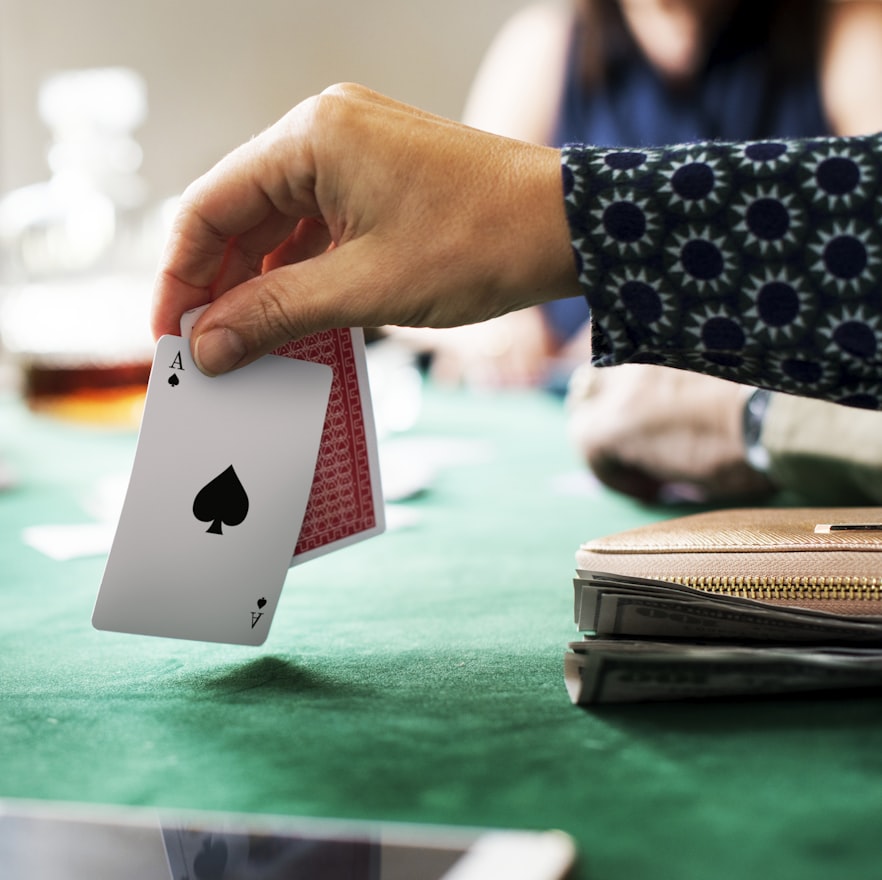
Moreover, the dopamine release triggered by the act of gambling reinforces this behavior. Every time a player wins, the brain’s reward system kicks in, creating a cycle that compels them to seek more risks. This biochemical response can be particularly strong in high-stakes environments, where the rewards can be life-changing. As a result, many high-stakes gamblers find themselves repeatedly drawn back, chasing the thrill and the rush that comes with every bet placed.
This high-stakes mindset can also be influenced by social factors, including peer groups and cultural perceptions surrounding gambling. Many celebrities and public figures who gamble openly can further glamorize the practice, showcasing not only the thrill but also the lifestyle that accompanies big wins. This portrayal can distort reality, leading aspiring gamblers to believe that they can achieve similar successes, despite the inherent risks involved.
Psychological Traps: The Illusion of Control
One of the most intriguing aspects of gambling psychology is the illusion of control that players often experience. Many gamblers believe they can influence the outcome of random games through skill, intuition, or strategy, despite the odds being firmly against them. This false sense of control can be particularly pronounced in high-stakes situations, where the stakes feel tangible and the desire to win grows stronger.
This illusion can lead to what psychologists term “gambling fallacy,” where players hold onto the belief that past outcomes affect future results, known as the “hot hand” fallacy. For example, a player might believe they are on a winning streak and continue to bet aggressively, ignoring the reality that each game is independent. Understanding this psychological bias is crucial for recognizing how easily players can become ensnared in cycles of irrational betting behavior.
The psychological trap of believing in one’s ability to control or predict the outcome of gambling events can have severe consequences. High-stakes gamblers may chase losses by betting even more, leading to a cycle of increasing financial risk. Over time, this can spiral into serious financial and emotional distress, creating a complex interplay between the thrill of gambling and the harsh realities of addiction and financial hardship.
The Role of Emotional States in Gambling Decisions
Emotions play a significant role in the decision-making processes of gamblers. High-stakes gambling often occurs in high-pressure environments where emotions run high, leading to impulsive choices and irrational betting patterns. For many players, emotions such as excitement, anxiety, and frustration can significantly influence their gameplay, often leading to decisions that defy rational thought.
Players experiencing heightened emotions may engage in “loss-chasing,” where they attempt to recoup lost funds through increasingly risky bets. This behavior often stems from the emotional turmoil of losing, as players may feel a compulsion to restore their prior financial state, even if it means taking on greater risk. Understanding the interplay of emotions and gambling behavior can shed light on why so many fall into destructive patterns, particularly in high-stakes environments.
Furthermore, the excitement associated with high-stakes gambling can cloud judgment, making it difficult for individuals to recognize when they should walk away. This emotional rollercoaster can be intoxicating, creating a skewed perception of reality that rationalizes continued participation. Awareness of how emotions affect decision-making can help gamblers identify when they are at risk of falling into these psychological traps.
The Social Dynamics of Gambling: Influences and Pressures
Gambling is inherently a social activity, and the environment can greatly impact how individuals approach high-stakes games. The presence of friends, fellow players, and even the staff in a casino can create a sense of community that often enhances the thrill of the game. This social dynamic can lead to peer pressure, pushing individuals to take risks they might otherwise avoid if playing alone.
Moreover, the social status attached to high-stakes gambling can further complicate an individual’s relationship with risk. Many celebrities and influencers showcase their gambling successes on social media, painting an alluring picture that can entice fans to engage in similar behavior. The pressure to emulate this lifestyle can lead to reckless financial decisions as individuals chase the dream of instant wealth and fame.
This social aspect also brings about discussions regarding responsible gambling. Casinos often promote a culture that glamorizes high-stakes play, but it is essential to approach such activities with caution. Understanding how social influences shape gambling behaviors can empower individuals to make more informed choices, ensuring they remain in control rather than falling victim to peer pressure.
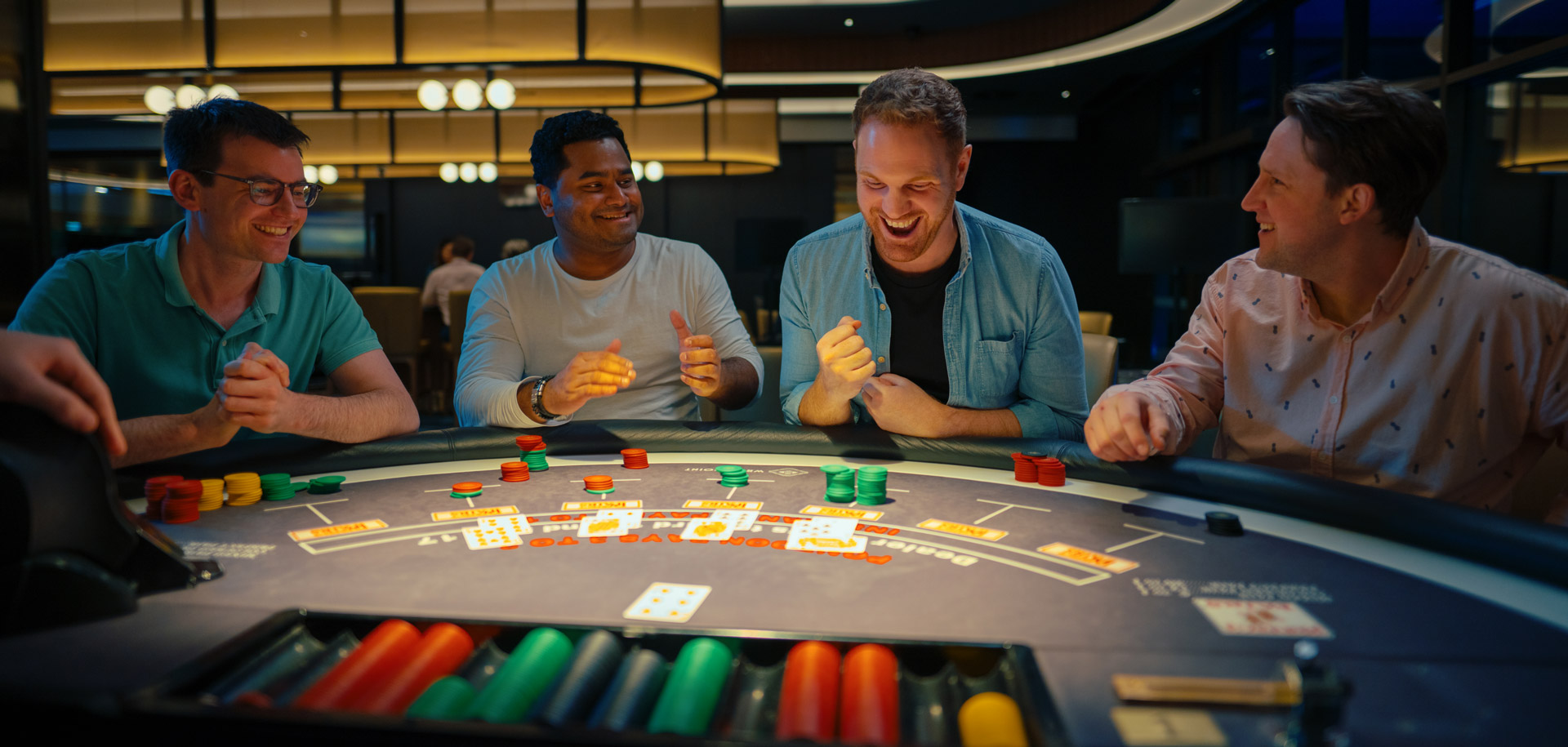
Exploring Responsible Gambling Practices at 21 Bits Casino
21 Bits Casino recognizes the importance of fostering a safe gambling environment for its players. As a premier online gaming platform, it offers extensive resources dedicated to responsible gambling practices. This includes a variety of tools that allow players to set limits on their betting activities, helping to mitigate the risks associated with high-stakes gambling.
The platform encourages players to understand their own gambling behaviors and to take proactive steps in managing their experience. With features such as self-exclusion and time-out options, users are empowered to take control over their gaming habits. The focus is not only on providing entertainment but also on promoting a balanced and healthy approach to gambling.
In addition, 21 Bits Casino emphasizes the importance of education around gambling psychology. By fostering awareness about the psychological traps and emotional factors discussed earlier, the platform seeks to equip players with the knowledge needed to make informed decisions. Ultimately, this commitment to responsible gaming ensures that players can enjoy their experiences while minimizing potential risks and maintaining a healthy relationship with gambling.